Topics in this section
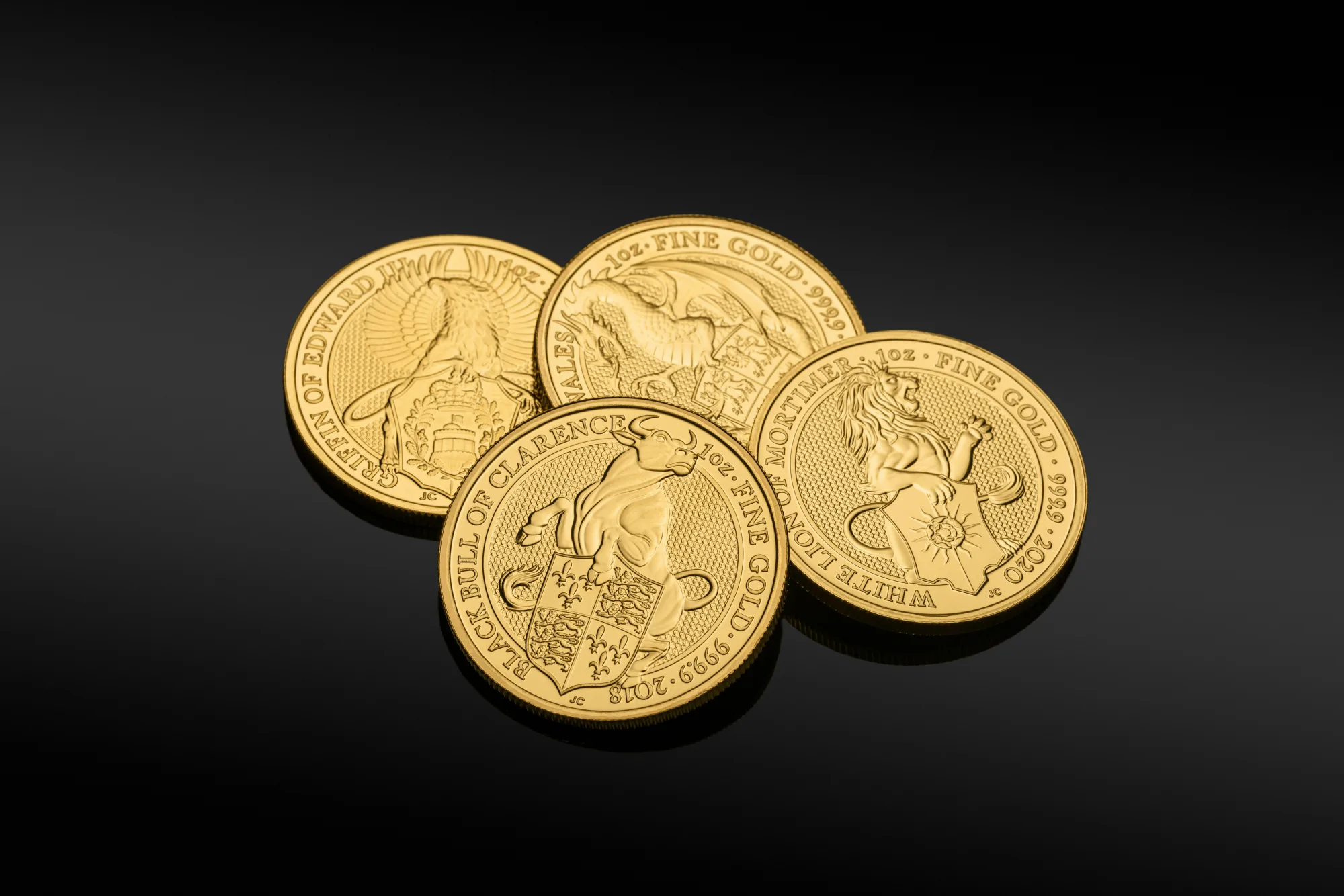
Gold
How gold works as money and commodity: pricing, storage, and why people still hold it.
View topic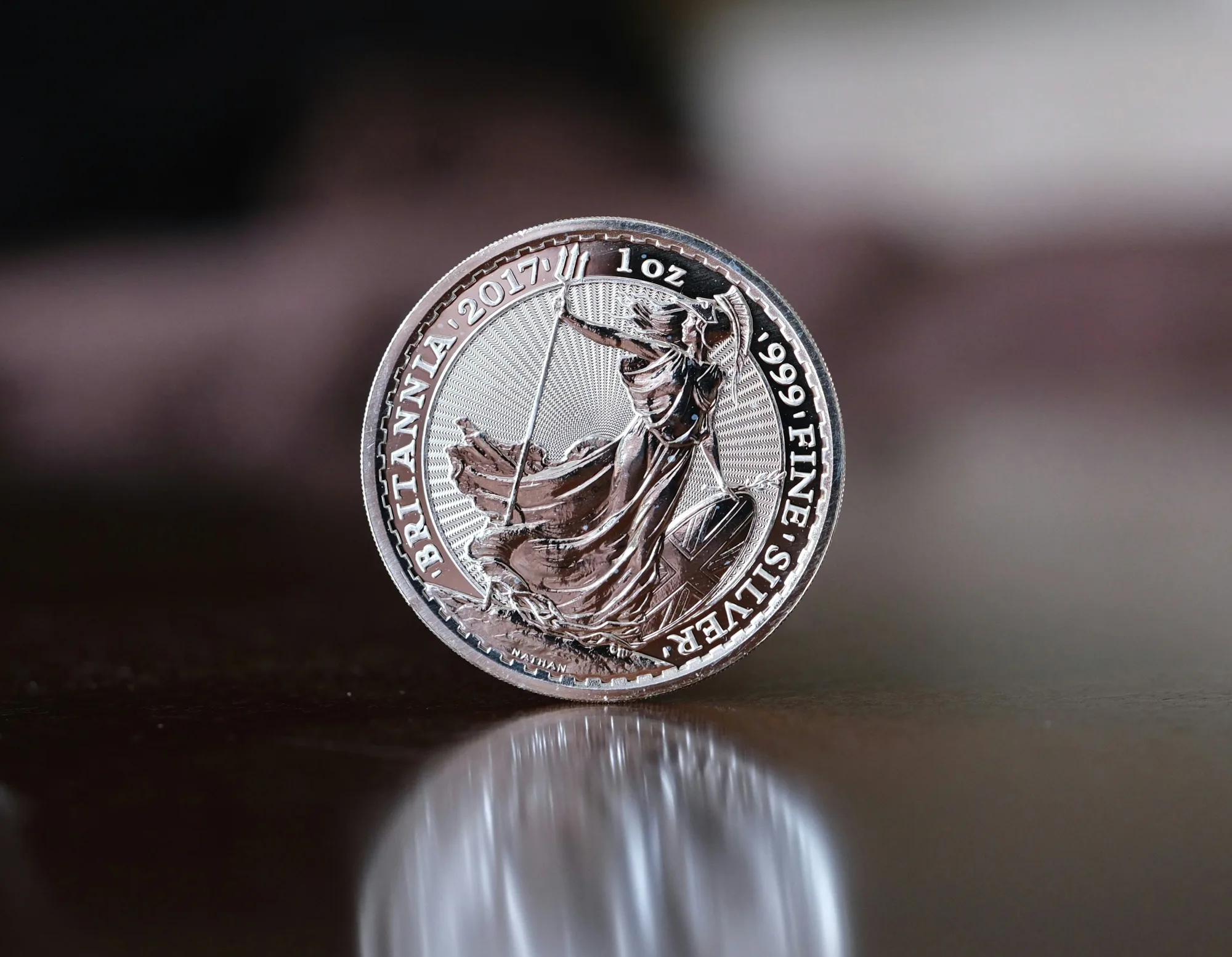
Silver
Silver's dual life as industrial and monetary metal, and what usually moves its price.
View topic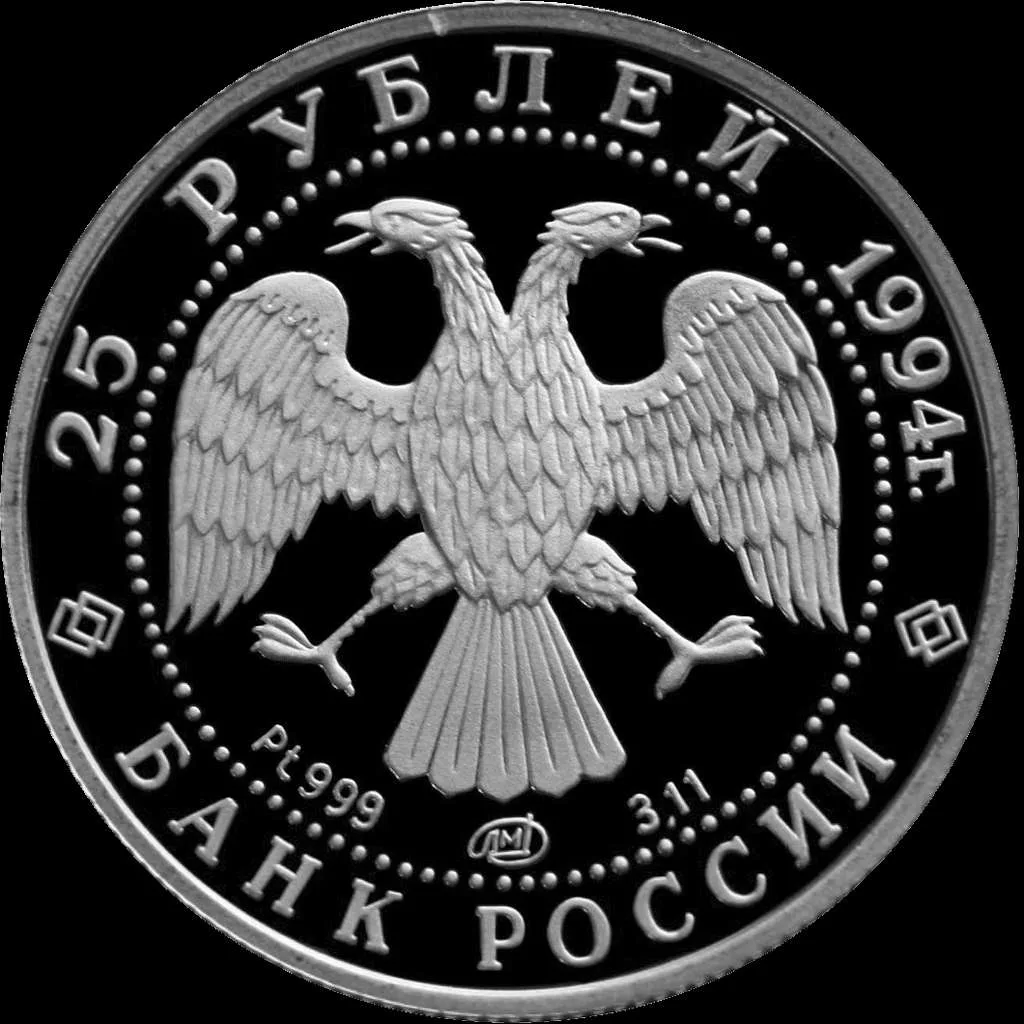
Platinum
Platinum as a PGM: catalyst and jewelry demand, tight supply, and how it differs from gold or palladium.
View topic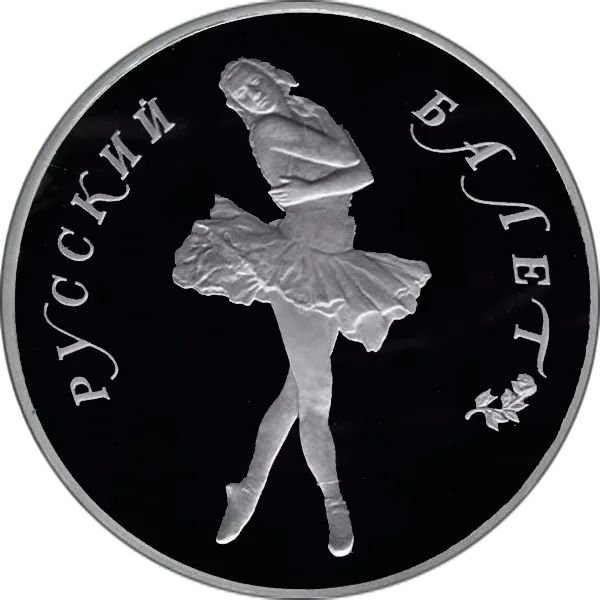
Palladium
What drives palladium, why supply is concentrated, and how it trades places with platinum in industry.
View topic
Copper
Copper as a base metal: real-world uses, how it differs from precious metals, scrap vs bar forms.
View topic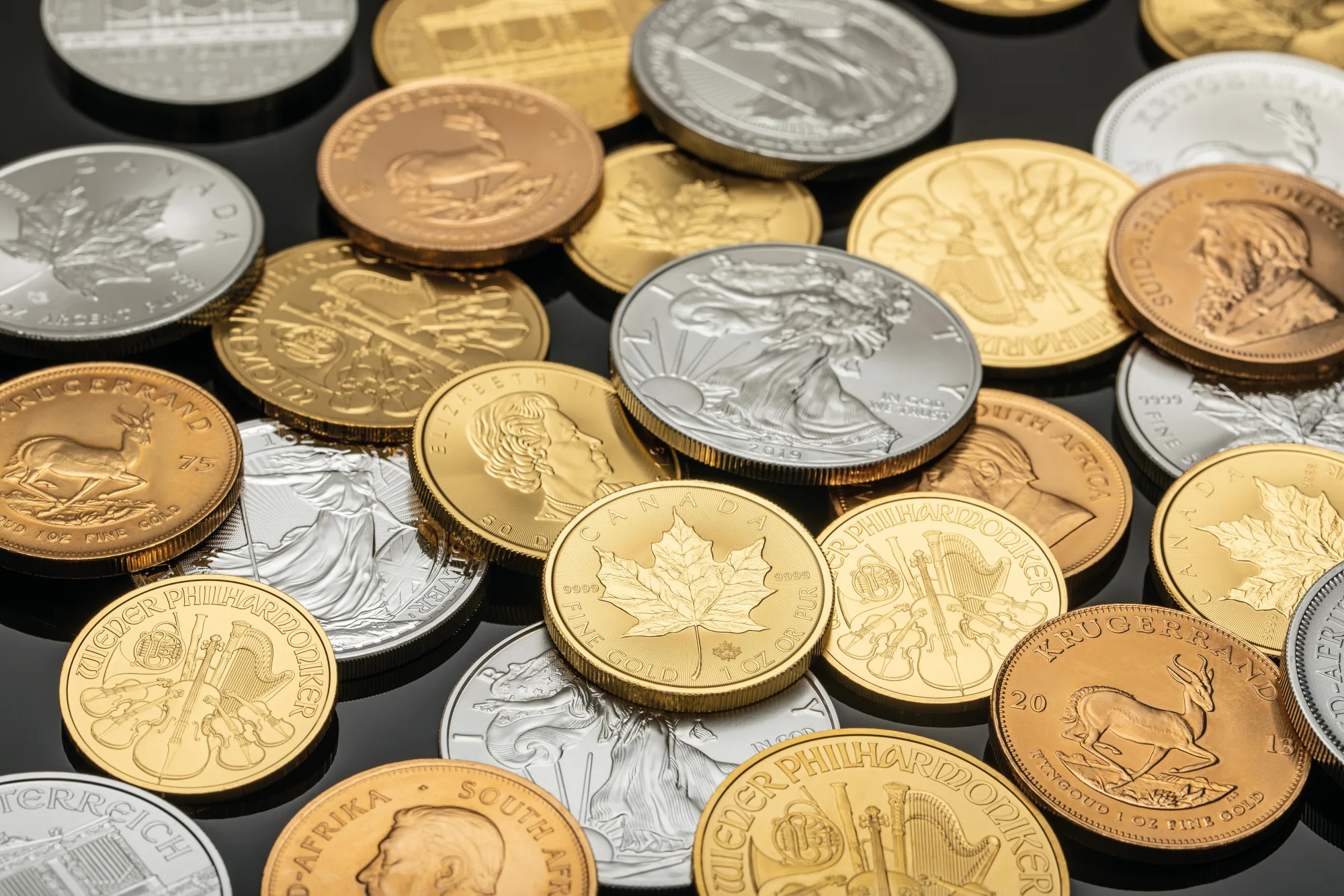
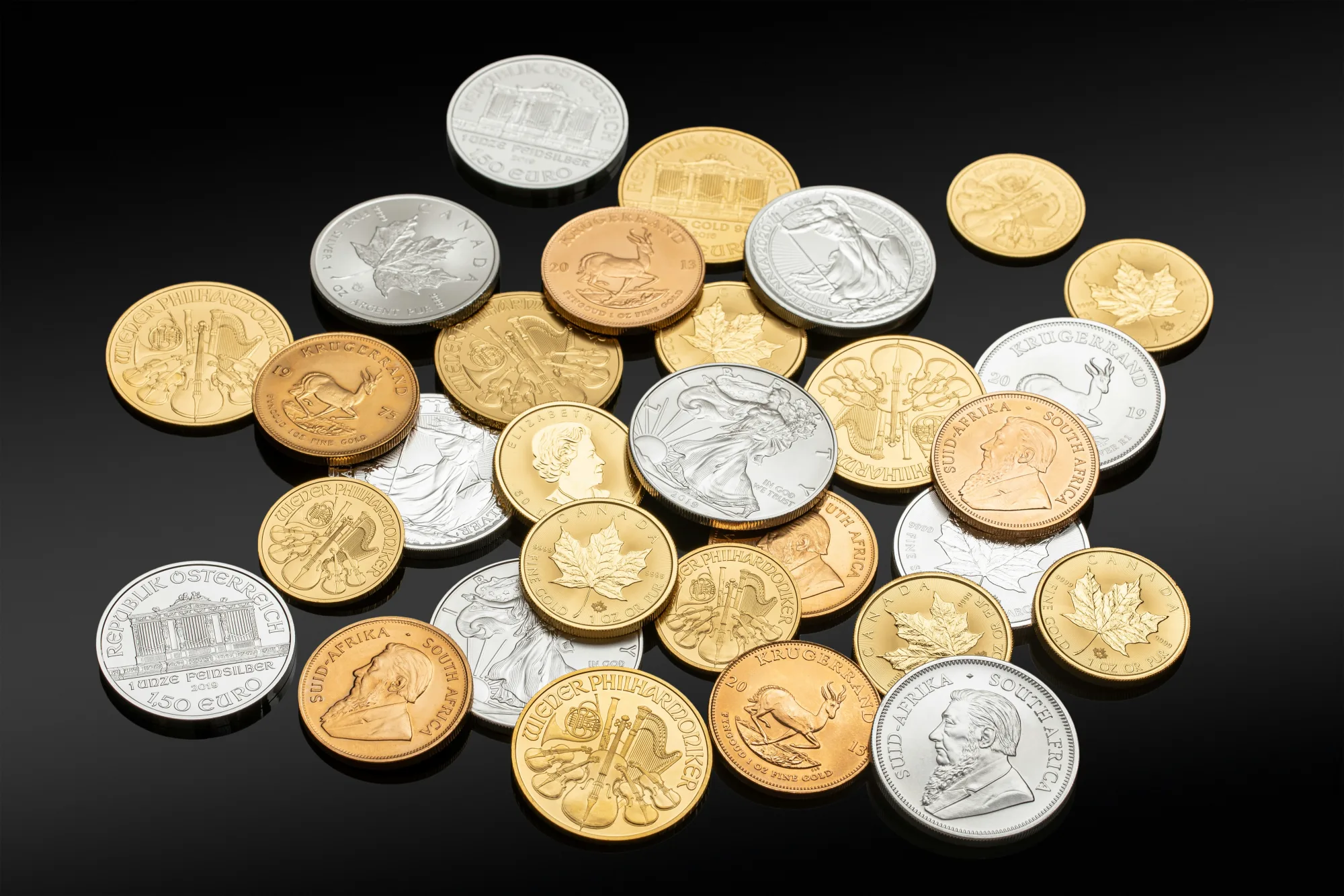
Sovereign coins
Sovereign bullion coins: face value vs metal weight, big mint programs, and why premiums look the way they do.
View topic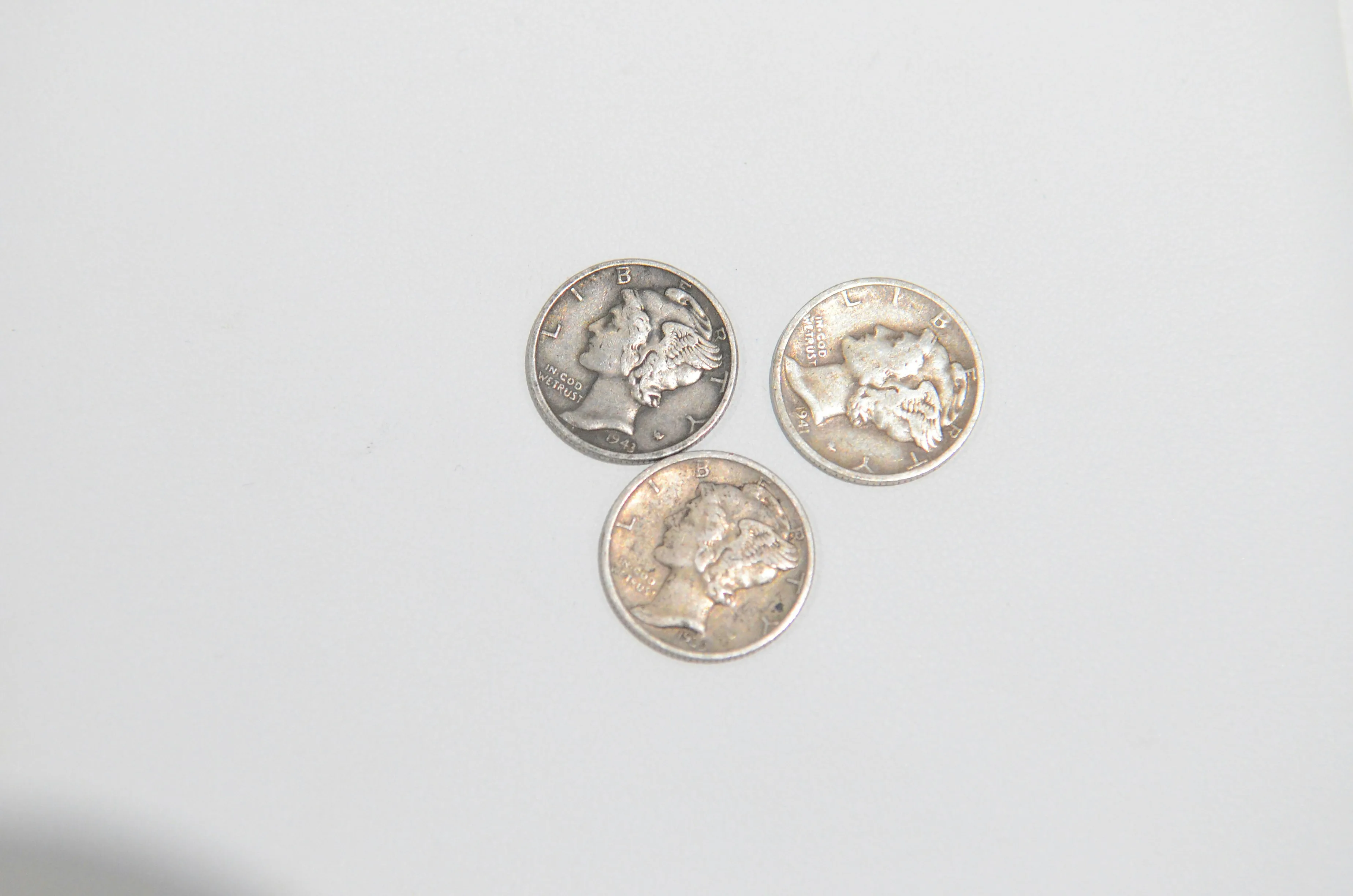
Constitutional silver
U.S. 90% “junk” silver: simple weight math, common denominations, and how it compares to rounds or bars.
View topic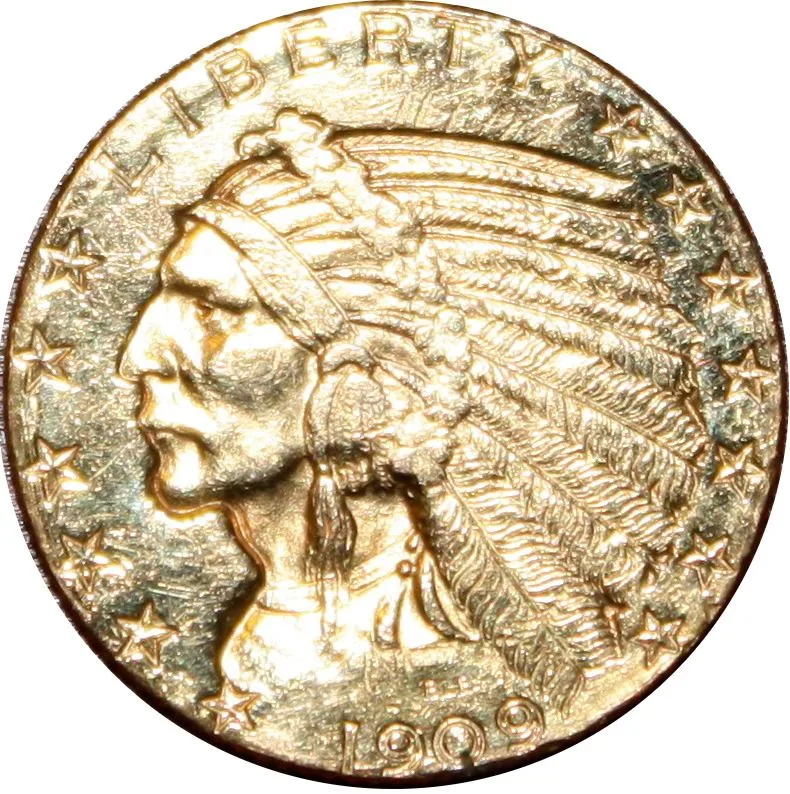
Constitutional gold
Pre-1933 U.S. gold: common types, melt vs collector premium, and how old coinage fits a stack today.
View topicPrecious metals overview
Precious metals are rare elements you can buy as real bars and coins, or through funds and similar products. In everyday use the group usually means gold, silver, platinum, and palladium. The label is not one product: each metal has its own uses and supply, and the prices do not all move the same way. The links on this page go to deeper pages on each metal; the FAQs at the bottom cover how much to own and how physical metal differs from fund shares.
Gold, silver, platinum, and palladium
Gold has the largest market and the longest history as money and as bank reserves. Silver is used both for savings and in industry (for example electronics and solar), so it can move when investors get excited or when factories need more or less of it. Platinum is used in jewelry, industry, and in car exhaust systems; fewer people trade it than gold or silver, and a few countries supply most of it. Palladium is tied heavily to car demand and factory output, so its price can jump or fall hard when that story shifts. The four do not always move together, and owning one is not the same as owning another.
How you can hold the exposure
If you own physical bars and coins, you hold the real metal. You have to think about a safe or vault, insurance, and the usual gap between what a dealer charges when you buy and what they pay you when you sell. Funds you buy through a brokerage are easier in small sizes and you pay yearly fees, but you own fund shares, not a bar, and you are relying on whoever stores the metal for the fund. Futures and other leveraged products are a separate, higher-risk game. Mining stocks are regular stocks: a higher gold or silver price does not by itself make a mining company a winner.
Related Explore hubs
- Cryptocurrencies overview - native chains and network-native assets.
- Stablecoins overview - dollar-pegged token designs.
- Gold-backed crypto overview - tokenized gold claims versus bullion in hand.
This page is educational and not a recommendation to buy, sell, or hold any asset.
FAQ
- Are precious metals a single investment?
Not exactly. Each metal has different supply dynamics, demand drivers, and market depth. Gold, silver, platinum, and palladium should be evaluated as separate decisions, not as a single category you buy all at once. Keep it simple if you're just starting out.
- Do precious metals pay interest or dividends?
The short answer is no. They just sit in your safe and preserve your purchasing power over time. There are some companies that offer products that do pay dividends or yeilds in gold or silver but these require you to trust a third party to hold your metal for you.
- How much of my portfolio should be in precious metals?
There is no universal answer. It depends on your goals, time horizon, risk tolerance, and what else you hold. Generic percentage recommendations found online are not personalized advice.
- Is physical metal better than ETFs?
This is just our opinion but, yes, we think physical metals are better than ETFs in every way. Physical metal has no counterparty risk but requires storage and has wider spreads. ETFs might feel convenient but carries management fees, tracking error, and custodian risk. You do not own metal; you own shares in a fund that owns metal. The distinction matters if you seek to control your own wealth.
- Is this financial advice?
No. This content is general education only.