Platinum
Platinum is a platinum-group metal (PGM) with a long history in jewelry, industrial chemistry, and automotive catalytic converters. Annual mine supply is small relative to gold, and production is concentrated in a handful of countries. That supply profile creates both opportunity and risk for investors.
What platinum is for investors
Platinum appears as coins and bars from government and private mints, though the selection is narrower than for gold or silver. The most recognized platinum bullion coin is the American Platinum Eagle, but several other sovereign mints produce platinum issues.
Liquidity is not identical to gold. Fewer dealers carry platinum inventory, spreads can be wider in some regions, and the market is more sensitive to industrial narratives than gold's broader monetary role. For investors used to the deep, global gold market, platinum can feel like a smaller, more volatile arena.
What drives platinum demand
Automotive catalysts have historically been the largest demand category. Platinum is used primarily in diesel engine catalytic converters, which distinguishes it from palladium's dominance in gasoline engines. This means platinum demand is sensitive to diesel vehicle production, emissions regulations, and the ongoing global debate about diesel's future.
Jewelry demand is significant in certain regions, particularly East Asia. Unlike gold jewelry, which is often bought as a form of savings, platinum jewelry demand is more fashion-driven and cyclical.
Industrial and chemical uses include petroleum refining catalysts, glass manufacturing, electronics, and medical devices. These applications provide a baseline of demand that is less headline-driven than automotive or investment flows.
Hydrogen economy potential is a newer narrative. Platinum is used in proton exchange membrane (PEM) fuel cells, and growing interest in hydrogen as an energy carrier could create additional demand. This is speculative at current adoption levels, but it represents a potential structural shift.
Supply concentration
Platinum mining is heavily concentrated, with a majority of production coming from a small number of countries and mining operations. This concentration means that labor disputes, power grid issues, regulatory changes, or political instability in mining regions can disrupt supply and move prices.
Secondary supply from recycling (primarily from spent catalytic converters) adds to annual availability but lags primary production by years. Recycling cannot quickly compensate for a sudden mine disruption.
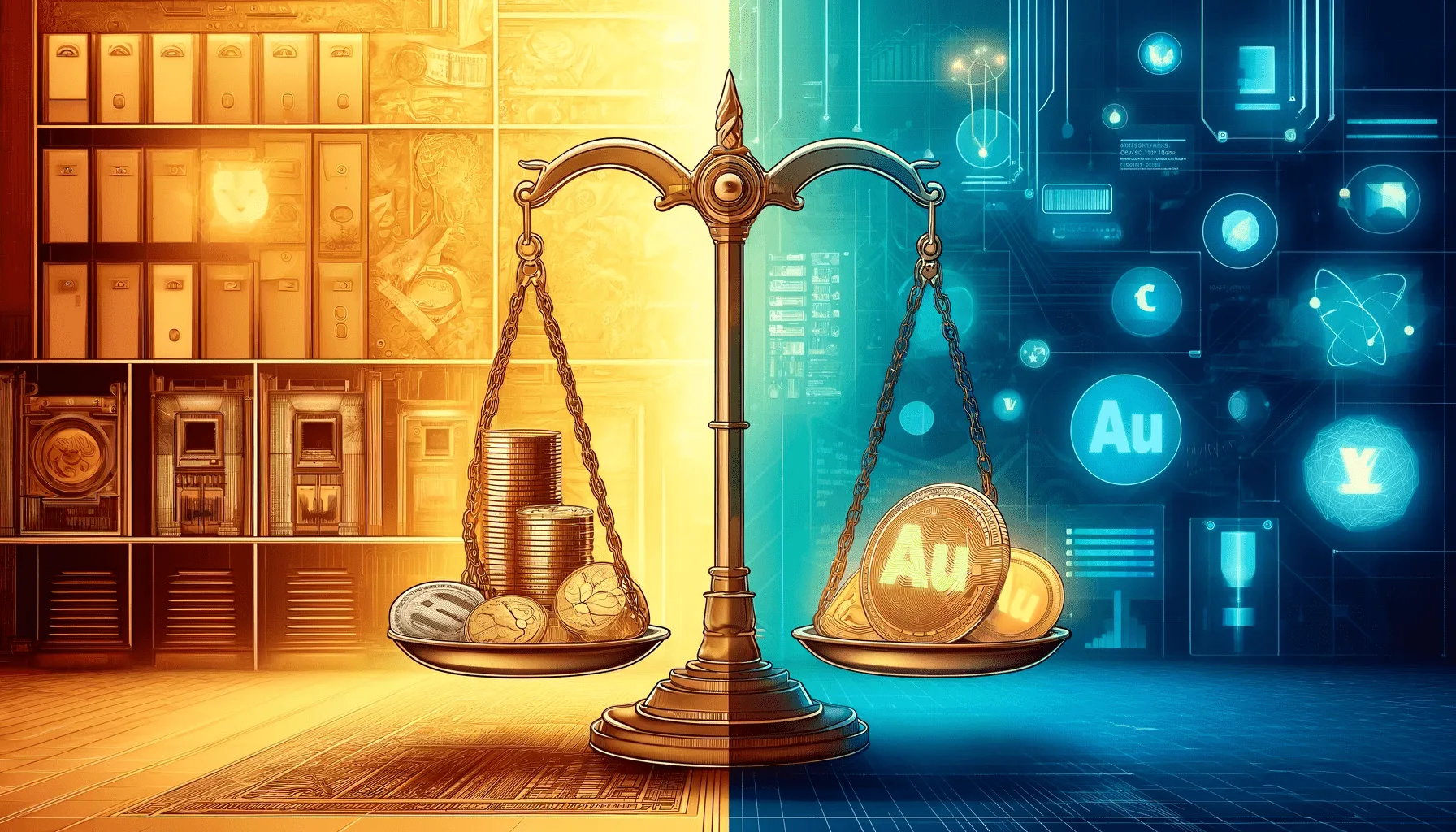
The gold-platinum ratio
Investors often watch the gold-to-platinum ratio as a measure of relative value. Historically, platinum traded above gold for extended periods. In recent years, it has traded below gold, sometimes significantly. Whether this represents an opportunity or a structural shift in how the market values platinum is a matter of debate and depends on your view of industrial demand, EV adoption, and monetary policy.
The ratio is descriptive, not predictive. It tells you where things stand, not where they are going.
Substitution dynamics
Platinum and palladium can substitute for each other in catalytic converters, though the engineering takes time. When the platinum-palladium price spread widens significantly, automakers have incentive to shift catalyst formulations toward the cheaper metal. These substitution cycles play out over years, not weeks, and they represent a meaningful lever on both metals' demand.
Physical versus paper exposure
Physical platinum requires the same diligence as other metals: verify authenticity, understand the premium over spot, and confirm your exit channel before buying. Not every dealer that buys gold will buy platinum.
Exchange-traded products exist but carry management fees and tracking error. Futures contracts add leverage and roll complexity. Mining stocks are equity investments with operational, political, and management risk that is separate from the metal price. A platinum miner can lose money even when platinum prices rise if its costs are too high or its operations are disrupted.
How to approach learning
Read annual supply-and-demand reports from reputable industry sources like the World Platinum Investment Council. Compare bid-ask spreads at multiple dealers before your first physical purchase. Understand the specific risks that make platinum different from gold: smaller market, industrial dependence, supply concentration, and substitution dynamics.
If you cannot articulate why platinum specifically (rather than gold, silver, or another asset) deserves a place in your allocation, you may not have enough conviction to hold through the volatility that comes with this market.
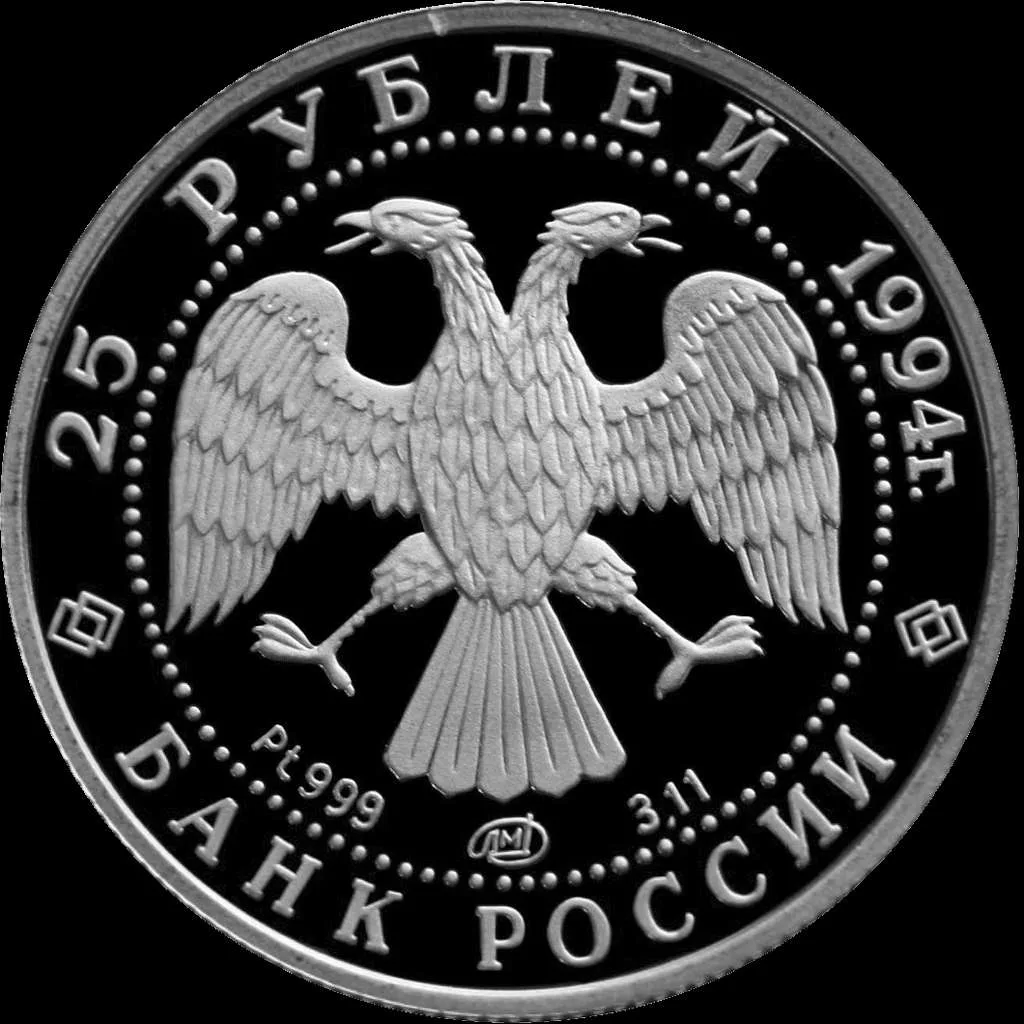
As a Russian currency
Russia first turned platinum into coins during the reign of Nicholas I in the early nineteenth century. In 1828 the Saint Petersburg Mint produced the initial series using ore from the Ural Mountains. Each coin carried a face value in rubles yet consisted almost entirely of the precious metal.
The designs featured the emperor's portrait on one side while the other showed the state emblem along with the denomination and year. These pieces came out as the country looked for ways to highlight its mineral wealth after major discoveries in the east.
The program carried on until 1845 when the government halted production. Production ran with annual dates but the same basic designs for the three six and twelve ruble values. Although the coins held official legal tender status they rarely entered everyday circulation. Russia minted more platinum pieces than any other nation up to that time before output stopped. Prices for the metal kept shifting and attention moved on to gold and silver currency instead.
This page is educational and not a recommendation to buy or sell any asset.
FAQ
- Is platinum the same as white gold?
No. White gold is a gold alloy mixed with other metals to appear silvery. Platinum is a separate chemical element with different density, durability, and market pricing.
- Is platinum harder to sell than gold?
It can be, depending on your location and the product form. Fewer dealers specialize in platinum, and spreads may be wider. Check buyback policies and dealer availability before buying.
- Does platinum always move with palladium?
No. While both are PGMs used in catalysts, their prices can diverge sharply based on substitution dynamics, supply disruptions, and shifts in auto manufacturing preferences.
- Is platinum undervalued because it is cheaper than gold?
Price relative to gold is one data point, not a trading signal. Platinum has been both cheaper and more expensive than gold at various points in history. Relative price alone does not predict future performance.
- Is this financial advice?
No. This content is general education only.