Paxos Gold (PAXG): An Exhaustive Analysis of Tokenized Physical Gold
The intersection of traditional finance and blockchain technology has produced a wide variety of digital assets over the last decade. Early cryptocurrencies gained a reputation for extreme price volatility, making them difficult to use for everyday transactions or stable financial planning. To solve this problem, software developers created stablecoins. These are digital tokens tied directly to the price of national currencies like the United States dollar. Following the success of fiat-backed stablecoins, the financial technology sector began applying this exact same technology to physical commodities.^1
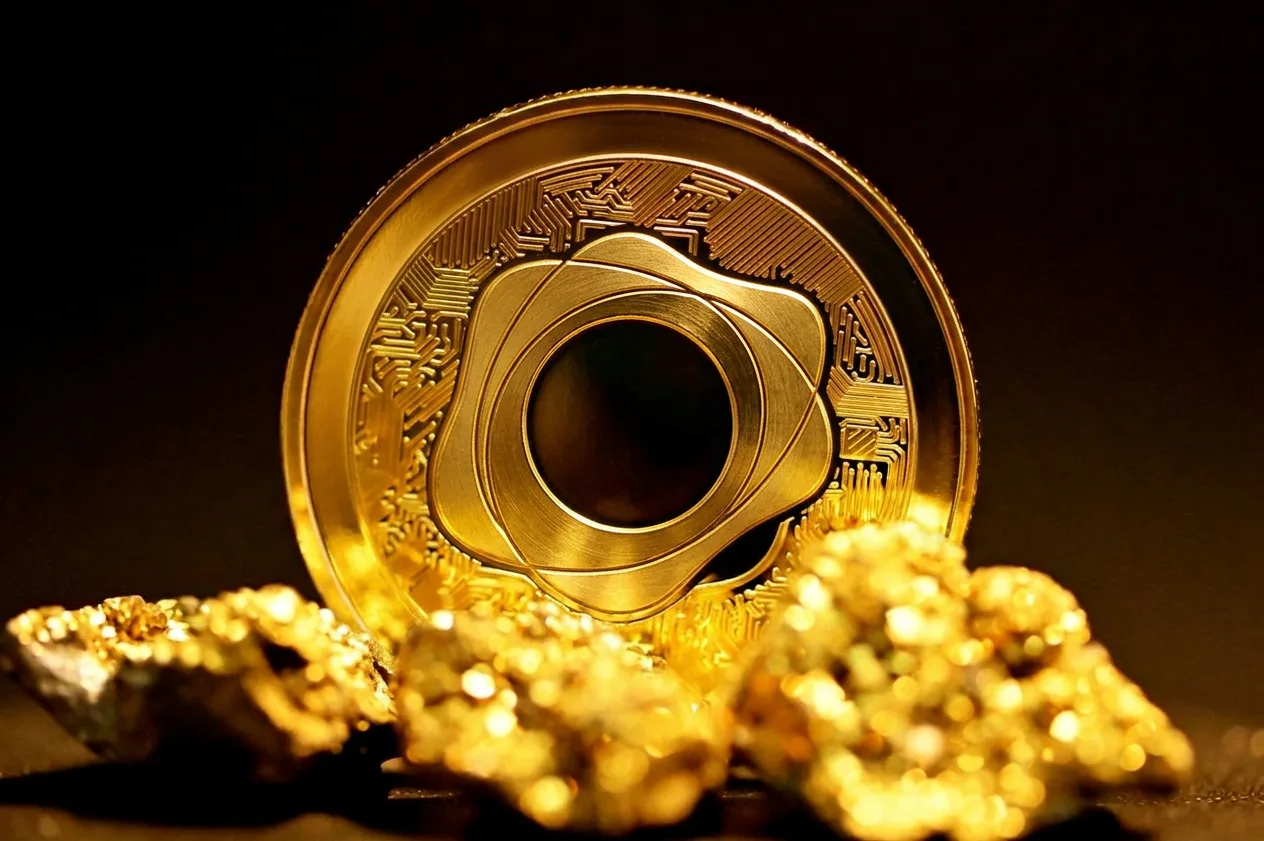
Paxos Gold (PAXG) represents one of the most prominent examples of this commodity innovation. Launched by the Paxos Trust Company, PAXG is a digital asset designed to represent direct, legal ownership of physical gold. Every single PAXG token corresponds exactly to one fine troy ounce of a physical gold bar stored in a professional, highly secure vault. By placing a digital receipt for physical gold onto a public blockchain ledger, the system allows individuals to trade, transfer, and hold gold with the same speed and ease as sending an email.^2
This report provides a factual, in-depth examination of Paxos Gold. It explores the initial history of the asset, the specific economic problems it aims to solve, its underlying technological ecosystem, and its integration into decentralized finance protocols. The report also analyzes its performance as an investment during the market turbulence of 2026, details the upcoming regulatory changes shaping its future, and provides a practical, educational guide for individuals seeking to understand how to acquire and verify this digital commodity.
The Origins and Initial History of Paxos
To understand Paxos Gold, one must first examine the company that created it. The story of Paxos begins in 2012 with two financial professionals, Charles Cascarilla and Rich Teo.^3 Cascarilla had built a long career in traditional finance, working as a research analyst at Goldman Sachs and Bank of America before co-founding an institutional asset management firm called Cedar Hill Capital Partners.^4 Teo brought analytical experience from working closely with sovereign wealth funds.^3 Together, they recognized that the foundational infrastructure of global finance was slow, outdated, and burdened by heavy administrative friction.
In the traditional banking and brokerage sector, trading an asset often requires a two-day waiting period known as a T+2 settlement cycle.^3 This delay creates counterparty risk. Counterparty risk is the danger that one side of a financial transaction might go bankrupt or fail to deliver their assets before the trade officially finalizes. Cascarilla and Teo believed that blockchain technology could eliminate this dangerous delay by allowing assets to settle instantly on a transparent public ledger.^4
In 2012, they launched a company in Singapore called itBit.^3 ItBit operated as an institutional-grade Bitcoin exchange.^3 The founders secured $3.25 million in seed funding from venture capital firms Canaan Partners and RRE Ventures to build a platform focused entirely on strict regulatory compliance.^3 While many early cryptocurrency exchanges operated completely outside of traditional legal frameworks, itBit actively sought government oversight. They believed that large banks and financial institutions would only adopt blockchain technology if they felt legally protected.^4
In 2015, the company relocated its headquarters to New York and achieved a major regulatory milestone. It secured a limited-purpose Trust Company charter from the New York State Department of Financial Services (NYDFS).^3 This made itBit the very first virtual currency firm to receive such a charter, effectively allowing the company to operate with many of the same privileges and strict oversight requirements as a traditional banking institution.^3 Following this achievement, the company rebranded from itBit to Paxos in 2016 to reflect its broader mission of building blockchain infrastructure for all types of assets, rather than just operating a cryptocurrency exchange.^3
In 2018, Paxos launched Paxos Standard (now known as Pax Dollar or USDP), a regulated stablecoin backed entirely by U.S. dollars.^3 The stablecoin product helped validate the company's theory that blockchain could coexist with heavy regulation. Building on the infrastructure they created for digital dollars, the company turned its attention to physical commodities. On September 5, 2019, Paxos officially launched Pax Gold (PAXG), introducing the first regulated digital asset redeemable for physical gold.^5
The Economic Logic Behind Tokenized Gold
Gold has been used as a medium of exchange and a financial safe haven for thousands of years. It offers unique chemical stability, scarcity, and universal global recognition.^6 However, the physical reality of gold makes it a highly inconvenient asset for the modern digital economy. Paxos designed PAXG to solve three specific problems associated with traditional gold ownership. These problems include high barriers to entry, high carrying costs, and a severe lack of mobility.
The Limitations of Physical Gold
Purchasing physical gold in large, efficient quantities is largely restricted to a small circle of institutional investors. The global standard for trading investment-grade gold is the London Good Delivery bar, which is accredited by the London Bullion Market Association (LBMA).^6 These specific bars weigh 400 troy ounces. At early 2026 market prices, a single 400-ounce bar costs approximately $2 million.^7
Retail investors who cannot afford a massive bullion bar typically buy small gold coins or one-ounce bars from local dealers. However, precious metal dealers charge significant markups (known as premiums) on small items to cover their manufacturing, shipping, and distribution costs. A buyer might pay 5% to 10% above the actual spot price of gold just to acquire a physical coin.^10
Furthermore, physical gold must be stored and insured. Keeping gold in a home safe carries the constant risk of burglary. Renting space in a professional bank vault or private depository incurs annual storage fees. These physical storage fees typically range from 0.5% to 2% of the gold's total value every single year.^9 Finally, physical gold is heavy and heavily restricted. Moving physical gold across international borders requires complicated customs declarations and expensive secure transport logistics.
The Limitations of Gold ETFs
To avoid the hassle of physical storage and dealer premiums, many investors use Gold Exchange-Traded Funds (ETFs) such as GLD or IAU. An ETF is a financial product traded on the traditional stock market that mathematically tracks the price of gold. When an investor buys a share of a gold ETF, they are buying a paper claim on a massive pool of gold managed by a financial institution.
While ETFs successfully solve the physical storage problem, they introduce new frictions and hidden costs. First, ETF investors do not actually own the underlying gold. They own shares in a trust, meaning they have a synthetic representation rather than direct legal ownership.^2 Second, ETFs charge continuous annual management fees, known as expense ratios. These ratios typically range from 0.19% to 0.40%.^10 While this sounds small, these fees slowly drain the investor's overall gold exposure over long periods. Third, ETFs are permanently tethered to traditional stock market infrastructure. They can only be bought or sold during normal business hours, preventing investors from reacting to weekend economic news. When an ETF is sold, the transaction takes two days (T+2) to fully settle into cash.^10 Most importantly, traditional ETF shares cannot be physically redeemed for gold by normal retail investors.
How Paxos Gold Solves These Problems
PAXG addresses the flaws of both physical bullion and ETFs through blockchain tokenization. By issuing PAXG as a digital token on the Ethereum network, Paxos created a system that combines the legal ownership of physical gold with the speed and divisibility of a digital asset.^2
PAXG mathematically divides large, inaccessible gold bars into small, affordable units. A user can purchase a tiny fraction of a PAXG token. The minimum purchase amount is set at 0.01 troy ounces,^2 which is roughly equivalent to $45 to $55 depending on prevailing 2026 market prices.^35 Unlike ETFs, PAXG trades 24 hours a day, 365 days a year.^10 Transactions on the blockchain settle in a matter of minutes rather than days.^2
Most importantly, anyone who owns PAXG legally owns the underlying physical gold held in the Paxos vaults.^9 Paxos charges absolutely zero ongoing storage fees for holding the token, making it cheaper to hold over a long period than a traditional Gold ETF.^9
| Feature | Physical Gold Bars | Gold ETFs (e.g., GLD) | Pax Gold (PAXG) |
|---|---|---|---|
| Minimum Investment | High ($800k+ for LBMA bar) | Cost of 1 Share (~$200) | Fractional (~$45–55 at spot) |
| Trading Hours | Dealer Business Hours | Stock Market Hours | 24 hours / 7 days |
| Storage / Custody Fees | 0.5% - 2.0% Annually | 0.19% - 0.40% Annually | 0% |
| Settlement Speed | Days or Weeks | T+2 Days | Instant (Minutes) |
| Physical Redeemability | Yes (Immediate) | Usually Cash Only | Yes (Cash or Physical) |
Data compiled from verified 2026 market comparisons.^9
Ecosystem Architecture and Technical Infrastructure
The PAXG ecosystem does not operate in a vacuum. It relies on an intricate network of physical vaulting facilities, digital blockchain protocols, independent financial auditors, and global cryptocurrency exchanges.
Blockchain Mechanics and ERC-20 Tokens
From a technical perspective, PAXG is built as an ERC-20 token on the Ethereum blockchain.^2 To understand this, one must understand how Ethereum works. Ethereum is a global, decentralized computer network that maintains a public ledger. A smart contract is a piece of automated computer code running on this network that executes actions exactly as programmed without needing a human manager. The ERC-20 standard is a universal set of technical rules for smart contracts. Because PAXG follows these rules, the token can interact seamlessly with thousands of different digital wallets, trading platforms, and financial applications that already support Ethereum.^2
While Paxos has expanded some of its other stablecoins (like the Pax Dollar and PayPal USD) to alternative, faster networks like Solana and Polygon to reduce transaction fees, PAXG remains exclusively on the Ethereum network as of 2026.^9 The complexity of maintaining audited physical gold reserves and strict regulatory compliance makes cross-chain expansion for physical commodity tokens much more legally and technically challenging than for fiat-backed digital dollars.^9
The physical gold that gives the token its value is stored in high-security vaults in London operated by Brink's, a globally recognized secure logistics company.^5 Every ounce of gold held in these specific facilities meets the strict quality and purity standards set by the LBMA.^5
Auditing and Regulatory Oversight
Because blockchain tokens are entirely digital, users must trust that the physical gold actually exists in the real world. Paxos addresses this massive counterparty risk through strict regulatory compliance and continuous independent auditing. Paxos Trust Company is regulated by the NYDFS and operates under the federal oversight of the Office of the Comptroller of the Currency (OCC).^11
This regulatory framework is highly specific. It mandates that customer assets must be held in bankruptcy-remote accounts.^10 This means that even if Paxos were to experience severe financial distress, file for bankruptcy, or completely collapse, the gold backing the tokens would not be considered the company's property. The physical gold would remain safe, untouched by corporate creditors, and fully accessible to the individual token holders.^10
To definitively prove the gold is sitting in the vault, Paxos hires independent accounting firms to conduct strict monthly attestations.^9 Originally, the accounting firm Withum Smith+Brown handled these audits.^11 As of early 2025, Paxos transitioned its primary auditing operations to KPMG LLP, a globally recognized Big Four accounting firm.^11 KPMG physically and mathematically verifies the reserves. They publish a monthly report certifying that the total supply of PAXG tokens circulating on the Ethereum blockchain is perfectly matched by the number of physical troy ounces held in the London vaults.^11
Understanding the Fee Structure
The economic revenue model of PAXG is designed to be highly competitive against traditional gold investments. As previously established, Paxos charges absolutely zero custody or storage fees to its users.^11
Historically, Paxos encoded a 0.02% transfer fee into the token's smart contract.^13 This meant that every time a user sent PAXG from one wallet to another, a tiny fraction of the token was diverted to Paxos to cover their corporate operating costs.^13 However, this transfer fee created significant friction in the digital economy. Many decentralized finance computer programs failed to process PAXG transactions properly because the amount of tokens arriving at the destination was slightly less than the amount initially sent (a dynamic known as a fee-on-transfer issue).^14 In response to severe user pushback and a strong desire to integrate seamlessly with the broader decentralized finance ecosystem, Paxos completely removed the on-chain transfer fee.^14
Today, moving PAXG on the Ethereum network is entirely free from Paxos's perspective. Users only pay the standard Ethereum network "gas" fees required to process the transaction block.^14
Paxos now generates its revenue primarily through token creation and destruction fees.^15 When a large client deposits physical gold or cash directly with Paxos to mint brand new tokens, or burns tokens to redeem the physical metal, Paxos charges a fee that scales based on the size of the transaction.^15 This fee tier generally scales down from 1.00% for small mints to 0.125% for massive, multi-million dollar orders.^15 However, normal retail users who buy and sell the token on secondary cryptocurrency exchanges (like Binance or Kraken) bypass these creation fees entirely. They pay only the standard, highly competitive trading fees set by the respective exchange.^14
Integration into Decentralized Finance (DeFi)
One of the most revolutionary aspects of tokenized gold is its ability to interact directly with Decentralized Finance, commonly known as DeFi. DeFi is an entire ecosystem of financial applications built on blockchain networks that operate without centralized intermediaries like banks, brokers, or loan officers. Instead of human managers, DeFi relies entirely on smart contracts to hold funds and execute trades.
In the traditional financial system, physical gold is a highly static asset. It sits securely in a vault but generates absolutely no yield or interest. Through DeFi, PAXG transforms gold into a productive, yield-bearing asset.^14
Lending and Borrowing Protocols
DeFi lending platforms operate conceptually like automated, highly efficient pawn shops. Users can deposit their digital assets into a communal pool to earn continuous interest, or they can lock up their assets as collateral to borrow entirely different digital currencies. Several major protocols have integrated PAXG into their systems.
Aave: Aave is the largest lending protocol in the DeFi space, currently holding tens of billions of dollars in user deposits across multiple blockchains.^16 It operates on a "monolithic pool" model, where all user deposits are grouped together to create deep liquidity.^16 Following community governance votes, PAXG was successfully integrated into Aave as an approved collateral asset.^12 An investor holding PAXG can deposit their tokenized gold into Aave and use it as collateral to borrow a digital dollar stablecoin like USDC.
This specific strategy is highly popular among advanced traders. It allows the investor to maintain their financial exposure to the price of gold while simultaneously accessing liquid cash to fund other investments, buy real estate, or pay real-world business expenses.^14 If the investor eventually repays the borrowed stablecoins plus a small amount of algorithmically determined interest, the smart contract automatically unlocks and returns their gold.
Morpho Blue: Morpho represents a newer, highly modular approach to DeFi lending that gained massive traction in early 2026.^16 Instead of one giant communal pool like Aave, Morpho isolates risk by creating distinct, specific lending markets. Professional risk management companies, known as curators (such as Steakhouse Financial or Gauntlet), design specific lending vaults with highly customized interest rates and strict risk parameters.^16 Users seeking to generate income can deposit their PAXG into these curated vaults. Historically, lending rates for tokenized gold have ranged between 3% and 8% Annual Percentage Yield (APY), depending entirely on the market demand from users willing to pay to borrow the asset for trading.^14
MakerDAO (Sky): MakerDAO is a massive decentralized organization responsible for managing a highly popular stablecoin historically known as DAI. The protocol recently rebranded to the name "Sky" and updated its stablecoin ticker to USDS.^17 To ensure that USDS permanently maintains its value equal to the U.S. dollar, the protocol requires overcollateralization. This means there is always more value backing the system than there is debt issued by the system. MakerDAO actively voted to include PAXG in its reserve treasury.^14 By diversifying its massive reserves away from purely dollar-backed assets and including tokenized gold, the protocol increases its underlying stability and resilience against fiat currency inflation.^14
The Hidden Risks of DeFi Integration
While earning yield on gold is a highly attractive proposition, participating in DeFi introduces entirely unique risks that do not exist in traditional finance.
The most prominent danger is smart contract risk.^18 If the computer code governing Aave or Morpho contains a hidden, undiscovered flaw, malicious hackers could potentially exploit the vulnerability and drain the deposited assets. While these protocols are audited heavily by security firms, exploits still occur in the broader DeFi industry.
Additionally, users who choose to borrow against their PAXG face severe liquidation risk. Aave and Morpho require overcollateralization. If a user deposits $10,000 worth of PAXG, they might only be allowed to borrow $5,000 worth of stablecoins. If the global market price of gold drops suddenly and severely, the value of the user's collateral may fall below the protocol's required safety threshold. The smart contract will automatically and ruthlessly sell the user's PAXG on the open market to repay the loan, resulting in a permanent loss of the gold for the user.^14 Therefore, financial experts heavily advise that leverage and DeFi lending strategies should be used cautiously, requiring active monitoring of position health.
Paxos Gold as an Investment in the 2026 Market
As an investment vehicle, PAXG appeals heavily to individuals and corporate treasuries seeking an inflation hedge and a robust portfolio diversifier. Empirical market data demonstrates that gold generally has a low or negative correlation with both traditional equities and highly volatile cryptocurrencies.^14 When stock markets decline rapidly, gold often holds steady or rises as capital flees toward safer assets.
The early months of 2026 provided a dramatic stress test for the global economy. Macroeconomic conditions worsened significantly due to geopolitical friction, persistent industrial inflation, and severe systemic distrust in traditional financial institutions.^7 In January 2026, the financial landscape was further rattled by rumors of an unexpected federal investigation into monetary policy leadership in the United States. This shock sent the U.S. Dollar Index (DXY) tumbling to a four-year low.^7
This perfect storm of economic anxiety triggered a massive "flight to safety" across all global markets.^19 Capital aggressively rotated out of volatile technology stocks and high-risk alternative cryptocurrencies, pouring directly into precious metals. The price of physical gold shattered the psychological barrier of $5,000 per ounce, eventually peaking at an all-time high of $5,312 in early 2026. This represented a massive 22% gain in a single month.^7
Tokenized gold assets captured a significant, measurable portion of this global market movement. Investors urgently required an asset that offered the proven stability of physical bullion combined with the instant, 24/7 liquidity of a digital token.^7 Waiting for a traditional bank wire to clear through correspondent banks, or waiting for a physical bullion dealer to open their doors on a Monday morning, was simply unacceptable in a rapidly moving crisis environment.^7
Consequently, PAXG experienced unprecedented financial growth. In January 2026 alone, the token recorded $248 million in direct new capital inflows.^19 This massive surge pushed the total market capitalization of PAXG past $2.2 billion.^20 Reporting in the same window also described the broader tokenized gold market crossing roughly $5.5 billion (a CoinGecko figure cited by CoinDesk).^20
Institutional players began utilizing PAXG heavily during this period. Prominent crypto market-making firms, like Wintermute, introduced specialized over-the-counter (OTC) trading desks specifically designed to handle massive, institutional-sized orders for the token.^20 This allowed large family offices and hedge funds to buy millions of dollars of gold exposure instantly without causing wild price swings on public exchange order books.
Comparison to Competitors
PAXG is not the only gold-backed digital asset on the market. Its primary competitor is Tether Gold (XAUT), issued by the creators of the dominant USDT stablecoin. While both tokens track the price of physical gold with high accuracy, their operational structures differ in important ways.
The physical gold backing XAUT is stored in Swiss vaults, offering a different geopolitical and jurisdictional profile compared to the UK-based LBMA vaults used by Paxos.^19 Furthermore, XAUT carries a flat 0.25% fee on token creation and destruction.^14 Direct purchases from Tether’s official channel can require a high minimum on the order of 50 XAUT, but that purchase rule is separate from physical bullion delivery, which lines up with a full London Good Delivery bar and the same practical scale as PAXG (often quoted around 430 tokens once bar weight and issuer rules are included).^34 PAXG, conversely, has tiered creation fees and states a 430-token threshold to redeem a full bar, while still allowing smaller retail cash redemptions through its platform.^21 Ultimately, both assets completely dominate the sector, collectively accounting for over 74% of the entire tokenized commodity market in 2026.^22
| Feature | Paxos Gold (PAXG) | Tether Gold (XAUT) |
|---|---|---|
| Market Capitalization (2026) | ~$2.2 Billion | ~$2.7 Billion |
| Vault Location | London, UK (Brink's) | Switzerland |
| Physical Redemption Minimum | 430 oz (for London Bar) | 430 oz (full-bar delivery) |
| Primary Network | Ethereum | Ethereum |
| Regulatory Oversight | NYDFS / OCC | Varies by Jurisdiction |
Data reflecting market status in early 2026.^22
Regulatory Landscape and Upcoming Plans
Because PAXG operates directly at the intersection of traditional physical commodities and modern cryptocurrency, it is heavily impacted by global financial regulations. Regulatory clarity is widely considered a massive advantage for Paxos, as institutional investors generally refuse to hold legally ambiguous assets.
United States Regulation
In the United States, Paxos operates under a strict dual-layer regulatory framework. At the state level, the company is supervised by the New York State Department of Financial Services (NYDFS), which rigorously enforces capital reserve requirements and strong consumer protection standards.^8 At the federal level, Paxos reached a major milestone in December 2025 when the Office of the Comptroller of the Currency (OCC) conditionally approved its application to convert from a state trust company to a national trust bank supervised by the OCC.^23 Conditional approval authorizes Paxos to work toward that federal trust charter, but finishing the process still depends on meeting OCC conditions and further OCC authorization rather than a same-day, finalized conversion.^32 For institutional investors, this rare federal oversight provides bank-grade assurance that the custodial claims on the gold are secure and legally binding.^2
European Union Regulation (MiCA)
The regulatory environment in Europe has undergone a massive, historic transformation with the implementation of the Markets in Crypto-Assets (MiCA) regulation. MiCA serves as a landmark, unified rulebook for all digital assets across the entire European Union.^24 The framework was formally adopted in 2023, and its specific rules regarding stablecoins and asset-referenced tokens became actively enforced in mid-2024.^25
MiCA treats stablecoins not as speculative crypto assets, but as strictly regulated payment instruments.^24 The law divides tokens into two main categories: Electronic Money Tokens (EMTs), which are backed by a single fiat currency like the Euro, and Asset-Referenced Tokens (ARTs), which are tied to baskets of currencies or physical commodities like gold.^24 Under MiCA, algorithmic tokens with no actual physical backing are heavily restricted to protect consumers.^24 To operate legally within the EU, issuers must hold 100% reserve backing in highly secure, liquid assets, guarantee redemption at face value, segregate customer funds from corporate operating funds, and submit to direct oversight by European banking authorities.^24
The European Union provided a transitional grandfathering period allowing companies that were operating prior to December 2024 to adjust their business models to the new rules. This leniency expires definitively on July 1, 2026.^25 Paxos publicly highlights MiCA alignment on its EU hub, with an emphasis on regulated stablecoin issuance and transparency reporting (for example USDG materials there).^26 On Pax Gold’s own product page, Paxos states that PAXG is currently unavailable in the EU, so treat regional availability as product-specific and recheck Paxos terms before relying on any flow.^2
Strategic Acquisitions and Technical Roadmap
As part of its 2026 operational roadmap, Paxos has aggressively expanded its enterprise infrastructure. In late 2025, the company acquired Fordefi, an advanced institutional cryptography platform.^33 This acquisition allows Paxos to build out a highly robust custody infrastructure layer tailored specifically for the rapidly expanding on-chain economy.^33 While the company has actively expanded its fiat-backed stablecoins to alternative networks like Solana, maintaining PAXG's deep liquidity and complex smart contract integrations on the Ethereum network remains the core focus for its commodity tokenization strategy.^9
Advice for Getting Started (Educational Guide)
For individuals seeking to understand how the process of acquiring and securing digital gold actually works in practice, the following section outlines the mechanical steps. This information is purely educational to explain the technology and should not be interpreted as financial advice.
Step 1: Choosing an Acquisition Platform
There are two primary avenues for obtaining PAXG: Centralized Exchanges (CEX) and Decentralized Exchanges (DEX).
Centralized Exchanges: Platforms like Kraken, Binance, Bitget, and Backpack Exchange act as digital brokers.^10 They are generally the easiest option for beginners because they allow users to purchase crypto assets directly using traditional money (fiat) via bank transfers, credit cards, or modern payment services like Apple Pay.^27 For example, the Backpack Exchange offers zero fiat fees for deposits, making it highly cost-effective for initial purchases.^9 These platforms handle all the complex blockchain interactions behind the scenes.
Decentralized Exchanges: Platforms like Uniswap operate entirely on the blockchain via automated smart contracts.^28 Users must already possess a digital wallet funded with a base cryptocurrency (like Ethereum) to swap for PAXG. While DEXs offer more privacy and direct control, they require users to manually manage network gas fees and understand transaction slippage (the difference between the expected price of a trade and the price at which the trade is actually executed).^28 This method is generally reserved for advanced users.
Step 2: Account Creation and Identity Verification
If a user chooses a centralized exchange, they must create an account and complete a Know Your Customer (KYC) identity verification process.^29 This is a standard financial regulation designed to prevent money laundering. It requires the submission of a government-issued ID (like a passport or driver's license) and a proof of address. Once verified by the platform's compliance team, the user links a bank account or credit card to deposit traditional currency into their new exchange wallet.^27
Step 3: Executing the Trade
On the exchange's trading dashboard, the user searches for the specific PAXG trading pair, such as PAXG/USD (buying with US dollars) or PAXG/USDT (buying with the Tether stablecoin).^29 The user inputs the amount of fiat currency they wish to spend. Because PAXG is highly divisible, a user can buy a very small fraction, such as 0.05 PAXG.
The user then executes an order. A "Market Order" tells the exchange to buy the token immediately at the current global spot price of gold. A "Limit Order" tells the exchange to automatically buy the token only if the price drops to a specific, user-defined target.^28 Upon execution, the tokens are credited to the user's exchange account instantly.
Step 4: Secure Storage and Custody
Once acquired, the user must decide how to store the digital tokens. Leaving the tokens on a reputable, regulated centralized exchange is highly convenient and often protected by the exchange's internal security funds (such as Bitget's $300 million protection fund).^10 However, this is a custodial solution. The exchange holds the cryptographic keys to the gold on the user's behalf.
For greater security and true cryptographic ownership, users can transfer their PAXG off the exchange into a non-custodial digital wallet, such as MetaMask, or a physical hardware wallet.^2 In a non-custodial setup, the user alone controls the private cryptographic keys. While this completely eliminates the risk of the exchange collapsing, it places the entire burden of security squarely on the user. If the user loses their wallet's recovery password (a 12 or 24-word string known as a seed phrase), access to the tokenized gold is permanently lost. No customer service department can recover it.
Step 5: The Redemption Process
A major feature of PAXG is physical redeemability. However, the logistics depend on the size of the holding. To redeem for physical bullion directly through Paxos, a user must hold a minimum of 430 PAXG tokens (to account for the weight of a standard 400-ounce London Good Delivery bar plus processing fees).^21 The user initiates the request on the Paxos platform, the tokens are burned (destroyed), and Paxos arranges the delivery of the physical bar from the UK vaults.^21
For retail users holding smaller amounts (e.g., 2 PAXG), physical redemption for bullion bars is not mathematically possible. Instead, these users can simply sell their PAXG back into cash on their chosen exchange at the current market price of gold, allowing them to exit their position instantly.^9
Educational Resources and Verification Tools
Transparency is the foundation of asset-backed cryptocurrencies. To ensure users do not have to rely on blind trust or marketing claims, Paxos provides several public resources and technical verification tools.
The Gold Allocation Lookup Tool
The most unique feature of the PAXG ecosystem is the ability to connect a digital token directly to a physical object in the real world. Paxos maintains a specific software application on its website known as the Gold Allocation Lookup tool.^2
To use this tool, a user simply copies their public Ethereum wallet address (a long string of numbers and letters starting with "0x") and pastes it into the search bar on the Paxos website.^11 The tool queries the database and generates a detailed report linking the exact tokens in that specific wallet to the physical gold sitting in the London Brink's vault.^11 The output provides the user with the precise serial number stamped on the physical gold bar, the brand or refinery that produced it, the gross weight of the bar, and its exact fineness (purity).^30
It is important to understand a technical limitation of this tool. It only functions for tokens held in personal, on-chain Ethereum wallets like MetaMask.^11 It cannot look up serial numbers for tokens sitting inside a centralized exchange account. Exchanges pool customer funds together in massive communal wallets, meaning individual customer balances are tracked on the exchange's private internal database rather than directly on the public blockchain.^11
Attestation Reports and Institutional Documentation
For individuals seeking to verify the systemic health of the entire token ecosystem, Paxos publishes monthly attestation reports.^2 Currently authored by the independent accounting firm KPMG, these reports provide certified, third-party confirmation that the total number of PAXG tokens recorded on the Ethereum blockchain is perfectly equal to or less than the total troy ounces of physical gold held in the LBMA vaults.^11
Furthermore, Paxos provides a comprehensive whitepaper detailing the technical architecture, legal framework, and economic philosophy behind the token.^2 For traditional wealth managers and institutional clients, the company also offers a streamlined "onesheet" that summarizes the operational mechanics and compliance structures necessary for corporate portfolio integration.^2
Broader Blockchain Education
For users who wish to understand the underlying technology powering assets like PAXG, numerous external resources exist. Books such as Blockchain Basics by Daniel Drescher provide excellent, non-technical explanations of how digital ledgers function without relying on heavy computer science jargon.^31 Similarly, Inventing Bitcoin by Yan Pritzker explains the core concepts of decentralization and digital trust in under 100 pages, making it highly accessible for beginners.^31 For a more structured academic approach, universities like the University of Pennsylvania and Duke University offer free trial courses on platforms like Coursera, covering the fundamentals of cryptocurrency, blockchain architecture, and the mechanics of Decentralized Finance.
The digital asset sector is steadily moving away from purely speculative tokens and toward practical applications that interface directly with the tangible economy. By converting physical gold into an ERC-20 token, Paxos eliminated the historical barriers of high storage costs, slow settlement times, and massive minimum investment thresholds. The market behavior witnessed in 2026 illustrates that digital commodities are no longer a theoretical experiment. Faced with severe macroeconomic volatility, institutional and retail capital actively utilized regulated, tokenized gold to bypass the frictions of the legacy financial system. The integration of these assets into decentralized lending platforms further demonstrates that blockchain technology can transform traditionally inert commodities into dynamic financial instruments. As international regulatory frameworks like MiCA continue to standardize the operational rules for asset-backed tokens, the infrastructure surrounding tokenized physical assets is poised to become a permanent component of the modern financial system.
FAQ
- Is PAXG the same as a bar in my safe?
No. PAXG is a digital claim on a structured product. Risks differ from direct possession.
- Does blockchain remove counterparty risk?
No. You rely on the issuer, custodians, and any exchange or bridge you use, plus your own key security.
- Can I get physical gold for PAXG?
Only according to current Paxos redemption rules, minimums, and fees. Read the latest documentation.
- Is PAXG anonymous?
Do not assume anonymity. Issuers and venues may require identity verification depending on jurisdiction and flow.
- Is this financial advice?
No. This content is general education only.