Numismatics | Aquarian Metals
Numismatics
Numismatics is the study and collection of coins, tokens, and related objects. In markets, numismatic value means price driven by rarity, condition, eye appeal, and history, not only by metal weight.
That is a different game from stacking bullion for ounces. Both are valid; mixing them by accident is expensive.
What collectors care about
Grade (wear), population (how many survive), variety (dies and mintmarks), provenance, and errors can dominate price. Third-party grading (slabbing) from major services reduces argument about condition but adds cost.
Markets and liquidity
Rare coins can be illiquid. Auctions, specialty dealers, and shows are common venues. Bid-ask spreads can be wide. Fakes exist; authentication skills matter.
Bullion versus numismatics
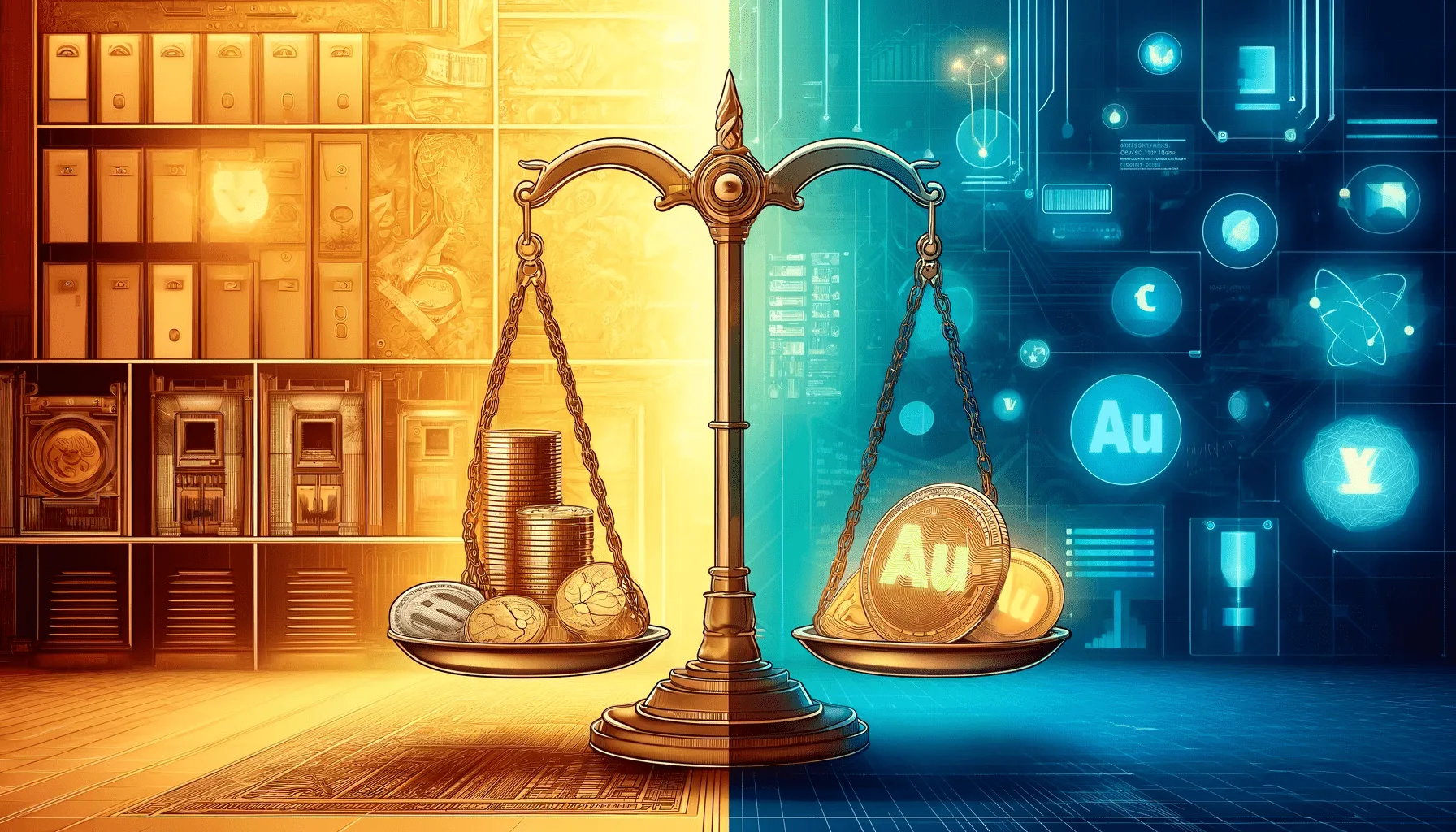
Bullion buyers optimize metal per dollar and standardization. Numismatic buyers optimize story and scarcity. A coin can be both if you knowingly pay for both.
Starting without overpaying
Pick one series or country and learn deeply before branching. Buy the book before the coin is old advice for a reason. Attend a local club. Compare auction results for comparable pieces.
Records
Keep purchase receipts, grading certs, and photos for insurance and eventual sale.
This page is educational and not a recommendation to buy or sell any asset.
FAQ
- Does numismatic value always beat melt?
- No. Many coins trade near melt; rare pieces can trade far above. Know which you are buying.
- Should beginners buy slabbed coins?
- Grading adds cost but reduces disputes. Match product complexity to your knowledge.
- Is coin collecting an investment?
- It can be, but returns are uncertain and expertise-dependent. Treat hobby spending separately from metal stacking goals unless you know the market.
- How do I spot fakes?
- Weight, diameter, edge, and sound tests help. When in doubt, use reputable dealers and independent authentication.
- Is this financial advice?
- No. This content is general education only.